Twitter share

Thursday, November 14, 2019

Stolen Art Watch, David Turner Released, Gardner Art Remains Elusive


    Man suspected in Gardner museum heist set free


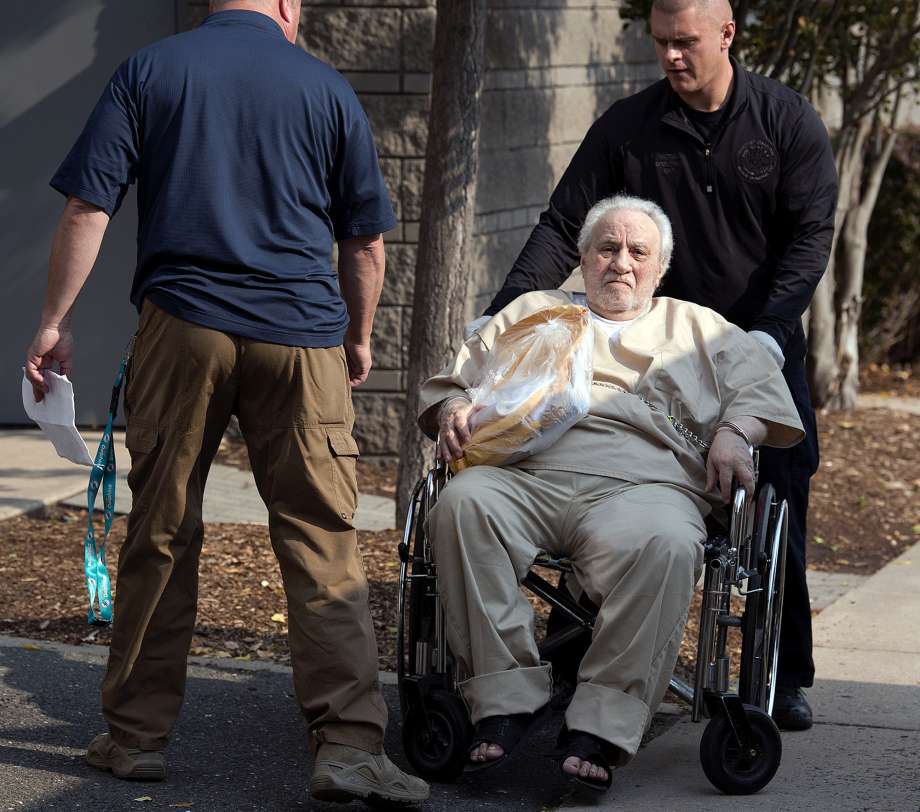
    David Turner, a longtime suspect in the Gardner museum heist, was released from federal custody after serving nearly 21 years for plotting to rob an armored car facility in 1999.
    David Turner, a longtime suspect in the Gardner museum heist, was released from federal custody after serving nearly 21 years for plotting to rob an armored car facility in 1999.Jonathan Wiggs/Globe Staff/Globe Staff
    On a cold February day in 1999, David Turner and several accomplices, armed with a hand grenade and six guns, were on their way to rob an armored car depot in Easton when they were arrested in an FBI sting.
    Agents told Turner he was a suspect in the infamous 1990 art heist at the Isabella Stewart Gardner Museum and could receive leniency if he returned the stolen masterpieces, according to court records. But Turner insisted he knew nothing about the theft and was sentenced to 38 years in prison for attempting to rob the armored car facility and firearms charges — which included a mandatory 30 years because the crew had a hand grenade.


    Several years ago, the government secretly got that sentence trimmed by seven years, making him eligible for release in 2025. Federal authorities declined to say whether Turner had agreed to help authorities recover the artwork, which includes works by Rembrandt and Vermeer and is worth an estimated $500 million.
    The masterworks have never been recovered. But on Wednesday, Turner, 52, his dark hair now tinged with gray, walked out of Boston’s federal court a free man after a judge ruled during a resentencing hearing that the 21 years he already served were enough.
    “I deeply regret the actions I took and the choices I made,” the Braintree native told US District Judge Richard G. Stearns. “I am no longer that person. I cannot change the past, but I have tried my best to change my future.”
    Stearns, who had presided over Turner’s trial decades ago, had vacated his prison term last month in light of Supreme Court rulings that have eased federal sentencing guidelines. On Wednesday, Stearns sentenced Turner to the time he had already served and ordered his release.
    “It’s rare for me to be fully confident someone has fully rehabilitated himself,” he said to Turner. “I believe you have and commend you for it.”


    Last month, Stearns ordered the release of one of Turner’s codefendants, Stephen Rossetti, after ruling that he no longer qualified as an armed career criminal based on recent court decisions.
    On Wednesday, Stearns rejected the prosecution’s request to extend Turner’s sentence another 18 months, instead placing him on probation for three years. He said it was the first time he had ever received letters written in support of an inmate on resentencing from Bureau of Prisons employees.
    “What somebody does over time to rehabilitate himself does count for something,” Stearns said, adding that Turner “has done what I would expect from someone who did want to change his life.”
    Turner was transferred to Federal Medical Center Devens four years ago to undergo cervical spinal surgery and after his recovery volunteered as a hospital companion, providing hospice care for critically ill inmates, according to a sentencing memorandum filed by his attorney, Robert Goldstein. Previously, while at a New York federal penitentiary, Turner was an instructor for the Victim Impact Program.
    Stearns said he was also impressed that Turner had participated in 58 educational programs in prison, ranging from vocational classes to Spanish and sign language courses.
    Assistant US Attorney Robert Richardson said Turner should serve additional time in prison because of the “overall brazen and violent nature” of the 1999 plot to rob a Loomis-Fargo facility of an estimated $50 million. It was thwarted because the FBI had informants working with the crew and planted bugs that captured Turner and his accomplices planning the crime.


    FBI agents began targeting Turner and one of his codefendants, Carmello Merlino, a Dorchester repair shop owner with Mafia ties, in the early 1990s because they believed they could lead them to the stolen Gardner art.
    In the early morning hours of March 18, 1990, two thieves dressed as police officers talked their way into the Gardner museum, tied up the guards, and fled with 13 pieces of artwork.
    Merlino died in prison in 2005, but Turner’s suspected involvement in the ongoing Gardner investigation surfaced three years ago in federal court proceedings in Hartford involving Robert Gentile, a Connecticut mobster who was suspected by the FBI of having access to the stolen paintings.
    In late 2010, Turner wrote Gentile from prison, instructing him to call Turner’s girlfriend. She then asked Gentile to meet with two of Turner’s associates about recovering the artwork, Gentile’s lawyer said.
    Gentile, who was cooperating with the FBI then, refused to meet with the pair and introduce them to an FBI informant because he feared for his safety, according to court filings.
    Gentile, who was snared in two FBI stings designed to pressure him into recovering the artwork, was released from prison in March after serving 4½ years on gun charges.
    In a brief telephone interview Tuesday, Gentile’s attorney, A. Ryan McGuigan, said his client has no information about the stolen artwork, but he suggested that Turner did, at least at one time


    “Based on the information that I have seen in disclosures from the government, also from third-party sources, it’s fairly apparent that the last living person to have possession of the paintings is David Turner,” McGuigan said.
    He also said Gentile would be willing to meet with Turner to talk about the missing artwork if he’s interested. The museum is offering a $10 million reward for the safe return of the masterworks.
    Outside the courtroom, Turner’s lawyer declined to comment on the paintings or allegations that Turner may have been involved in the heist.
    Dressed in a gray sweatsuit, Turner left the courthouse with his girlfriend. Asked by a reporter how it felt to be free, he replied, “Wonderful. I’m going to Disneyland.”
    He declined further comment.

  • TennisAnyone
    “The Under Seal World of the Boston Globe”

    From this article: "Several years ago, the government secretly trimmed that sentence by seven years, making him eligible for release in 2025." Why several years ago, why not exact date? Because it never happened.

    Last month when Turner's criminal associate Rossetti was released the Globe reported: “In recent years, the government quietly reduced Turner’s prison term by seven years, for reasons that remain under seal, raising questions about whether he had agreed to help authorities try to recover the artwork. He is scheduled to be released in March 2025.”

    Hm. “quietly,” the Globe states, but when this story was first reported in the Globe in 2016, it was said they had “secretly” reduced his sentence. Now it is merely quietly.

    Is that supposed to be an actual phenomenon, federal inmates bartering time after they have begun their sentence for information about other crimes? Judges have the power to secretly reduce sentences and keep that reduction under seal?

    Why would Turner wait until after serving ten years to share what information he had?

    A guy who has already been incarcerated 20 years for an attempted armed robbery had a sentence reduction?

    From the Globe 2016 : "There are no details about Turner’s sentence reduction on his criminal case docket in federal court in Boston, indicating that records relating to the reduction are sealed.

    Indicating to whom? And three years later the “indicated” in the Globe had evolved into an established fact, David Turner’s sentence had been reduced and the reduction had been sealed.

    An alternative possibility is that Turner did not get a secret, quiet or any sentence reduction since the Boston Globe acknowledged in 2016, “the only public record of Turner’s reduced sentence is the Bureau of Prisons website.

    So the records are sealed, but somebody sent the information to the people at the public Bureau of Prison website, who dutifully updated their record, we can presume "secretly" or at the very least “quietly.”

    Last Seen Podcast said that in 2016 Shelley Murphy, who wrote this story “made a sharp discovery: “I was hearing some things about whether or not he might cooperate,” Murphy said, “and I looked at the Bureau of Prisons' website, which shows a release date. And when I looked at it, I knew. I said that wasn't the release date that was there before. And I noticed that the release date had changed. So that's how I saw it, that I knew that he initially was supposed to get out on one date. And suddenly, they just took off a bunch of years.”

    “Suddenly,” but the Boston Globe twice in 2013 reported the, sentenced reduced, 2025 release year for Turner, including one story that had Shelley Murphy on the byline.The claim hinges on something Murphy thinks she remembered from a website over three years previously.

    Furthermore the BOP.gov that serves as the sole source for the Boston Globe’s secret sentence reduction states that: “the projected release date displayed reflects the inmate's statutory release date (expiration full term minus good conduct time)” and not the full sentence the person received from the judge. https://www.bop.gov/inmateloc/about_records.jsp

    The Globe which cannot even get Turner, his lawyer or anyone in government to acknowledge that he received a sentence reduction, which could also be for a variety of other things given his prolific record, reported last month that this sentence reduction “is raising questions about whether he had agreed to help authorities try to recover the artwork.”

    Raising questions with whom? The authorities know if he received a sentence reduction and for what reason. Raising questions with nonexistent inquisitors, who would know anyway, over a nonexistent sentence reduction, possibly, possibly, because of his nonexistent connection to the Gardner Museum Heist. A trifecta!

    Welcome to Chernobyl https://www.bostonglobe.com/metro/2019/10/04/after-years-prison-stephen-rossetti-goes-free-bu-gardner-art-heist-remains-unsolved/hh9zpoPvTq5b2iCLnV3ctM/story.html  


Thursday, November 07, 2019

Stolen Art Watch, Gardner Art Heist, "Thirty Years Since", 1990-2020, Circus Roadshow Begins Four Months Early

The Isabella Stewart Gardner Museum Heist: How Two Men Stole $600 Million Worth Of Art

A saga that runs for almost thirty years that involves the FBI, the mafia, and upwards of half a billion in stolen art.
https://www.bosshunting.com.au/culture/isabella-stewart-gardner-museum-heist-story

It was almost too simple of an idea. Perhaps that was the beauty of it all... because it actually worked. What's even more incredible was how much they escaped with.
This is the story behind the Isabella Stewart Gardner Museum heist - the largest theft of private property in American history with an estimated value of US$600 million. And (spoiler alert) it remains unsolved to this day.

The night of the disappearance


gardner-museum-heist

March 18th, 1990. Sunday morning. 12:30 AM. It's the early hours of the day after St. Patrick's Day. The perfect time to commit a high-profile crime. Any would-be witnesses are deeply inebriated at this point, more so as the target in question is at the heart of Boston. A stronghold for the working class and Irish-Catholic guilt - both known to induce a certain thirst.

In less than an hour later, two men dressed as police officers would arrive at the side entrance of the Gardner Museum in a hatchback. Any sober person would be suspicious of police officers in an unmarked hatchback, but there were no sober individuals in sight. The two men buzzed the museum's intercom system and explained they were called to investigate a disturbance. Fearing a St. Patrick's Day reveller had breached the newly bolstered security measures, the Gardener Museum's nightwatchmen let them in. This is where the real finesse began.

hadout_abath_met-1024x649


Once in the building, the thieves demanded that all personnel return to the security desk. While the one other guard was radioed to return, the guard that had let the thieves in was lured away from the desk where the only panic button was located. It was a matter of roughly ten minutes before both guards were handcuffed, bound and blinded with duct tape, and left tethered helplessly in the basement as the daring criminal duo began to work their way through to the multi-million dollar goods.
From there, it became more of a smash-and-grab affair. The thieves broke the glass frames and used a blade to cut the canvases out of their stretches. And they were smart about it too.
Among the most notable half-finished lifts was a large Rembrandt oil painting with wood instead of canvas, taken off the wall and left to lean against a cabinet; a detail that lends itself to the theory that their manpower was limited to the two individuals who had made it in, thereby forcing them to only take what was easiest to transport.
This detail also supports the theory that there was no definitive plan to target specific artworks prior to entering the museum (but more on this later).

lead_720_405

The final stage before the thieves made their seamless exit involved a bit of courteous housekeeping. They made sure the guards were comfortable (actually asked them if they were still comfortable, in fact), then made their way to the security director's office where they removed footage from closed-circuit camera and data print-outs of the motion sensors. The entire robbery lasted eighty-one minutes in total.

The $600 million haul

The haul was mindblowing. The thieves made it out with:
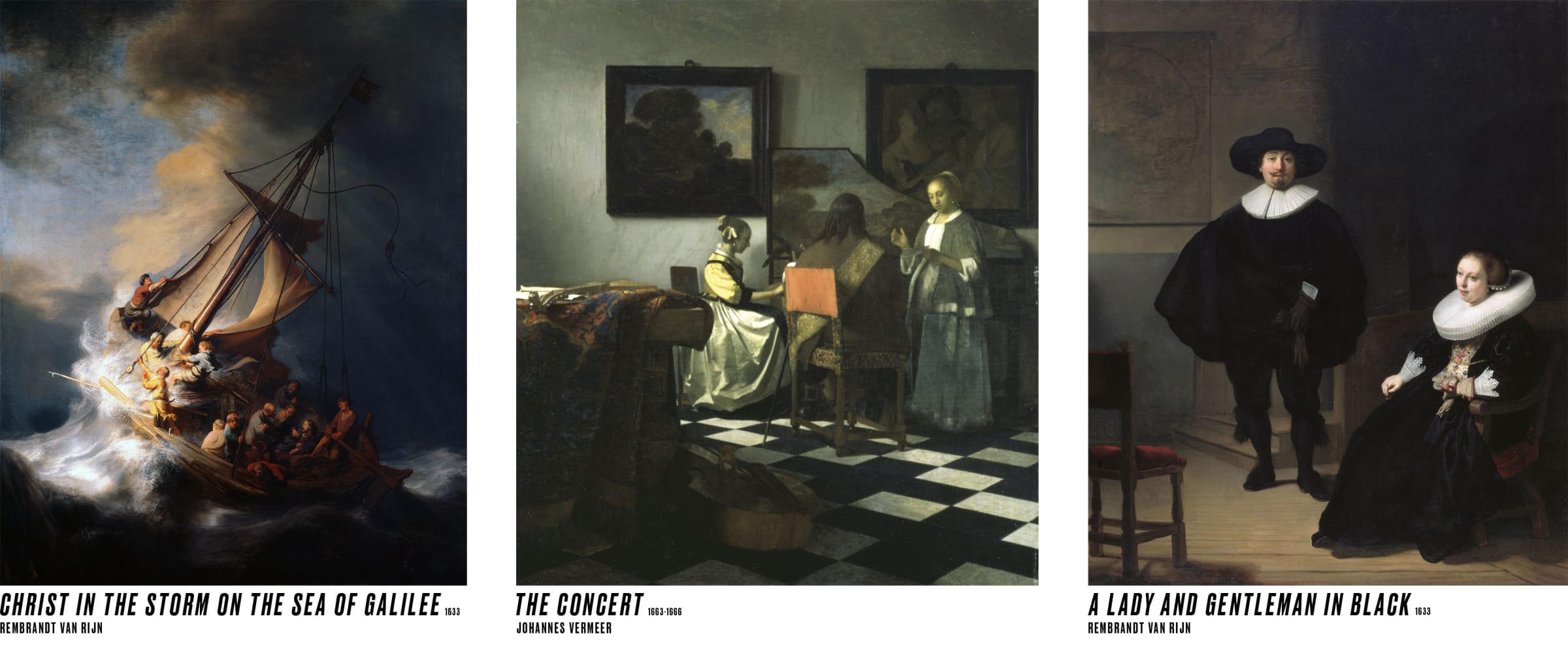
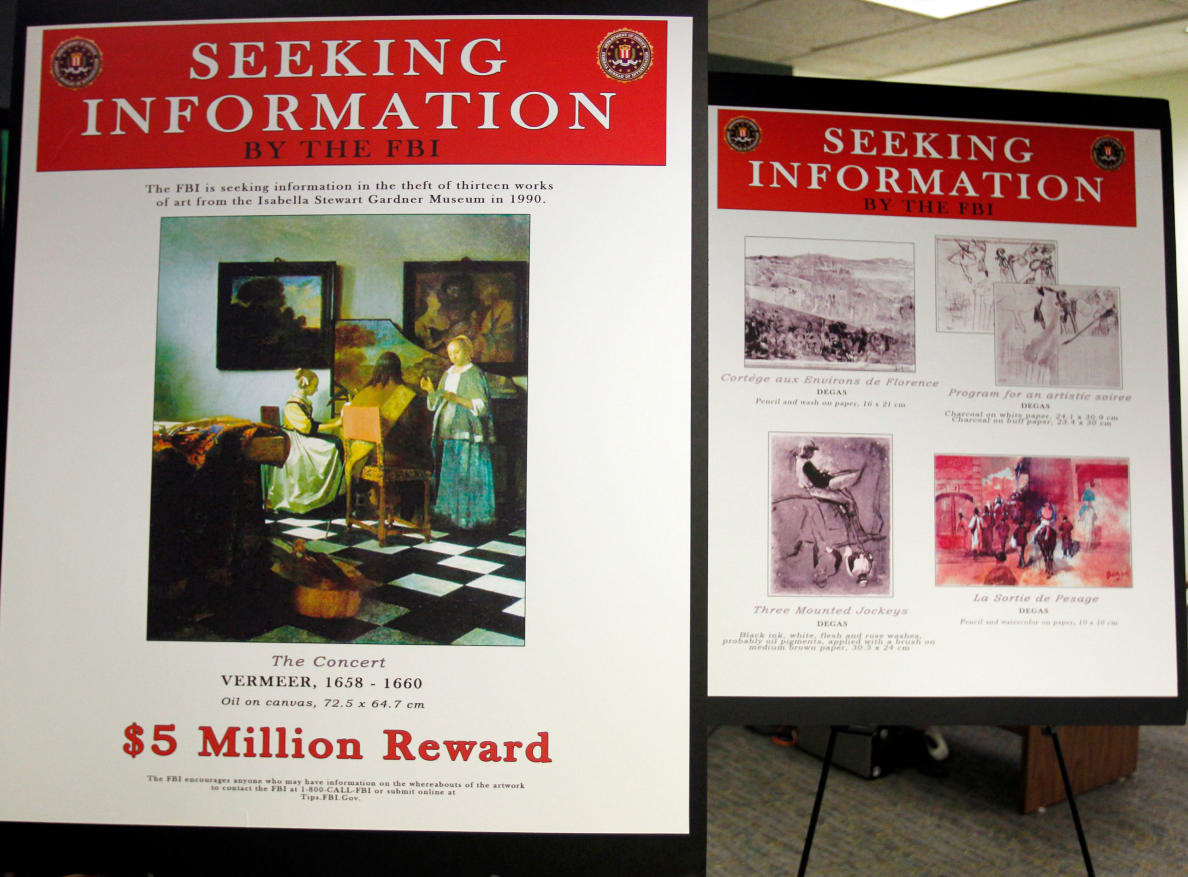
  • The Concert by Vermeer
  • The Storm on the Sea of Galilee by Rembrandt
  • A Lady and Gentleman in Black by Rembrandt 
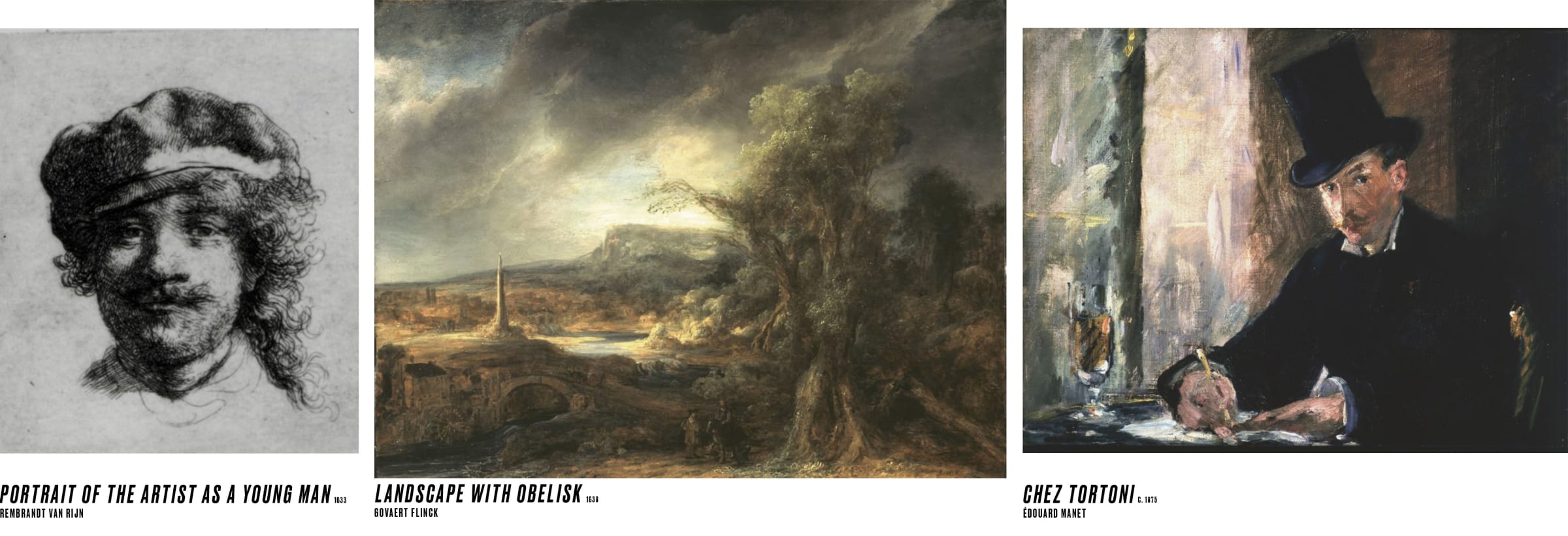
  • Self-Portrait by Rembrandt
  • Landscape with Obelisk by Flinck 
  • Chez Tortoni by Manet 
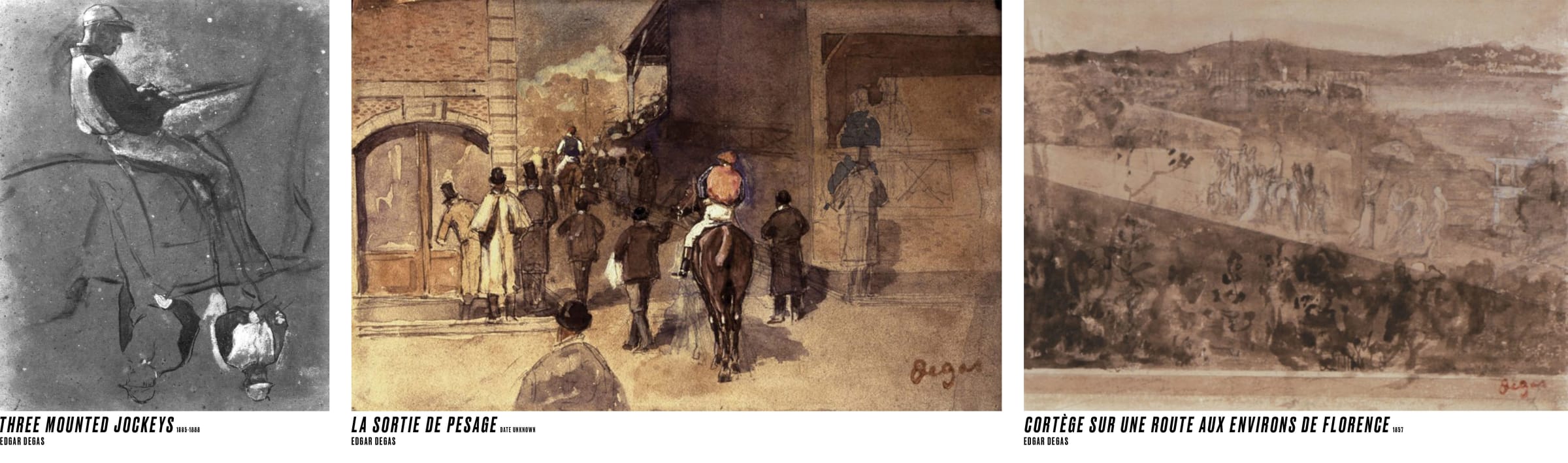
  • La Sortie de Pesage by Degas
  • Cortege aux Environs de Florence by Degas
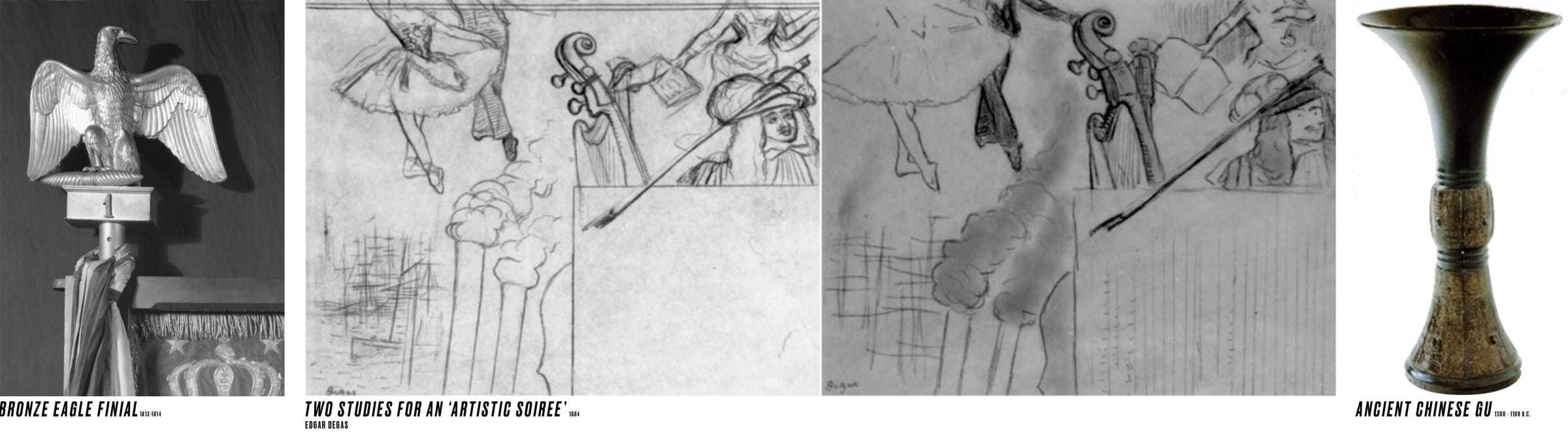
  • Program for an Artistic Soiree 1 by Degas
  • Program for an Artistic Soiree 2 by Degas
  • Three Mounted Jockeys by Degas
  • An ancient Chinese gu
  • And a French Imperial Eagle finial
Initially, the FBI had valued the collection of thirteen stolen artworks to be worth somewhere around US$200 million. That estimate was later raised to US$500 million by 2000, and currently, suggestions indicate the true value could be worth closer to a staggering US$600 million. Certainly enough to justify being labelled the largest theft of private property in American history.
Vermeer's The Concert alone is worth half of the total value, with an estimated value of US$250 million back in 2015. The scale and magnitude of this haul is truly in a league of its own.

Where the trail runs cold


0807-gardner-03

In criminal investigation, the key to uncovering the story and building a case requires means, motive, and opportunity. The means and opportunity are both fairly clear. But what has remained a mystery is the motive (beyond getting their hands on something of insane value). And that's where the trail runs cold.
For law enforcement to figure out the 'who', they needed to understand the 'why'. The problem being the 'why' has become muddled with far-flung and fantastical theories involving the Boston Mafia, the IRA, maybe Whitey Bulger, and prison breaks.
To make things even more difficult, aside from witness descriptions of one thief being "... about 5'9"–5'10" in his late 30s with a medium build..." and the other as "... 6'–6'1" in his early 30s with a heavier build..." - there really are no further leads. No useful DNA evidence. No fingerprints that match any star suspects. Not even a convincing accusation that hasn't been shot down by a iron-clad alibi.

One prevailing theory is that a gangster by the name of Bobby Donati orchestrated the heist in an effort to negotiate the release of his boss from prison. The chances of verifying this have since diminished significantly, as Donati was murdered a year after the robbery due to a gang war within the Patriarca crime family.

Bobby-Donati-1000x568

Yet another theory - which has a bit more weight to it given the advocacy by individuals such as former Scotland Yard detective turned private investigator, Charles Hill - points to James 'Whitey' Bulger as the key to it all.
Bulger was the most powerful criminal figure in Boston at the time of the heist, and Hill believes the haul was handed over to an IRA-affiliated gang in Ireland as part of some deal. Bulger also had a strong connection with the local police force, which would explain how the thieves acquired bona fide uniforms. Though he obviously claimed to have no knowledge of the theft and even feigned outrage as it occurred on this 'turf' without proper tribute being paid. The chances of verifying this has also diminished significantly, as Bulger was murdered in prison while serving his sentence two years ago.
If you take the time to search independently, you'll find virtually endless branches of theories and suspects. None of which have ever been proven nor further illuminated the issue at hand.

Here's where it gets even wilder...


190703-nadeau-isabella-stewart-gardner-museum-heist-hero_cibxbm

Suspects have been offered everything from reward money to freedom in exchange for useful information - but none have ever revealed anything of use. Setting this aside, Federal prosecutors have stated on the record that anyone who voluntarily returns the stolen artwork will not be prosecuted, as the statute of limitations expired in 1995 - meaning the thieves and anyone else who participated in this heist cannot be prosecuted.
Yet in the current year of 2019, authorities are still none the wiser. Even with the exorbitant bounty of US$10 million simply for any information that could lead to the thirteen artwork's recovery, the ongoing investigation has yielded nought. Keep in mind that those who were involved could claim this very bounty themselves beyond the cold, harsh reproach of the law.
To date, none of the thirteen stolen pieces have ever resurfaced. And given the profile of this unprecedented heist, whoever is in possession of them would be wise to never let them resurface.
What we know for sure is that they must have a high appreciation for the arts - or else they would be virtually worthless sitting in a vault somewhere. Anyone who was in on this purely for the money would have surely surrendered it at the first chance of the reward; and there have been multiple chances, each one without legal repercussions post-1995. And if they'd popped up on the black market at any point, someone would be talking about it, especially since it's not just a single artwork.
Or, we can subscribe to the theories that speculate they were used as a bargaining chip.
Either way, it begs the $600 million question that hundreds before us have had...
What the hell happened to the artworks?

Saturday, October 05, 2019

Stolen Art Watch, Gardner Art Heist, Rossetti Released, Gardner Art Spectre Looms Large !!

After 20 years in prison, Stephen Rossetti goes free — but Gardner art heist remains unsolved

In the Dutch Room at the Isabella Stewart Gardner museum, two empty frames hang to indicate some of the pieces of art that have never been returned after a heist in 1990. On Thursday, a career criminal tied to the theft was released from prison.
In the Dutch Room at the Isabella Stewart Gardner museum, two empty frames hang to indicate some of the pieces of art that have never been returned after a heist in 1990. On Thursday, a career criminal tied to the theft was released from prison.The Boston Globe
Two decades ago, FBI agents began targeting Carmello Merlino, suspecting that the Dorchester repair shop owner with Mafia ties could lead them to masterpieces stolen from the Isabella Stewart Gardner Museum during a brazen 1990 heist.
Efforts to recover the artwork were unsuccessful, but the agents foiled a plot by Merlino and his crew to rob an Easton armored car depot in 1999. They arrested two of Merlino’s accomplices on their way to the depot in a car loaded with guns and a hand grenade.
Merlino died in prison in 2005, taking any secrets he may have known about the whereabouts of the stolen paintings with him.


But on Thursday, one of Merlino’s accomplices in the attempted armored car depot robbery was back in federal court in Boston, before the same judge who had sentenced him to nearly 52 years in prison for that crime.
Only this time, Stephen Rossetti, now 60, walked out of court a free man.

“Mr. Rossetti, it’s been a long time,” US District Judge Richard Stearns said as he took the bench Thursday for a resentencing hearing. “Twenty years later, we’re in the same place.”
Rossetti’s initial sentence included a mandatory 30 years in prison because he was designated an armed career criminal. Combined with his sentence for the attempted robbery, that made him ineligible for release until 2044.
But, after a string of Supreme Court rulings involving federal sentencing guidelines, Stearns vacated Rossetti’s sentence last year after concluding that he no longer qualified as an armed career criminal.
“As far as I’m concerned, Mr. Rossetti, you’ve served enough time,” Stearns said. He noted that Rossetti had already served 20 years, well beyond what current guidelines call for.
“I sincerely regret my criminal past,” Rossetti told the judge before he was sentenced, as his son and a handful of other relatives and friends looked on. “Allow me to be a good citizen.”


Assistant US Attorney David Tobin had urged Stearns to send Rossetti back to prison for 10 more years, arguing that he had led “a life of crime” before plotting to rob the armored car depot. He described Rossetti as “the armorer” who brought a hand grenade and other weapons for the attack.
“We believe he continues to pose a threat to society, it’s just that simple,” Tobin said.
Rossetti, who is from East Boston, had previously been convicted of a variety of crimes, including an armored car robbery.
But Judith Mizner, a veteran criminal defense lawyer who represents Rossetti, said he had not been cited with a single disciplinary infraction during his years in federal prison, which she described as remarkable. Federal prisons she noted, “are not the easiest places in the world to stay out of trouble.”
She refuted the prosecutor’s claim that Rossetti posed a threat and said he had participated in more than 40 educational programs during his time in prison. His parents and wife died while he was incarcerated.
It took several hours for the Bureau of Prisons to process Rossetti’s release, but just before sunset, he strolled out of the courthouse and into a gleaming Seaport District that didn’t even exist when he went away.
Only one of Rossetti’s codefendants, David Turner, remains in prison. After his arrest, Turner claimed FBI agents told him they suspected he and Merlino were involved in the Gardner theft and offered to let him “walk” if he helped retrieve the stolen artwork. Turner said he told them he had no information about the heist.


In the early morning hours of March 18, 1990, two thieves dressed as police officers talked their way into the Gardner museum, tied up the guards, and fled with $500 million worth of artwork.
In recent years, the government quietly reduced Turner’s prison term by seven years, for reasons that remain under seal, raising questions about whether he had agreed to help authorities try to recover the artwork. He is scheduled to be released in March 2025.
None of the stolen artwork has been recovered, despite a $10 million reward the museum is offering for its safe return.
Rossetti, a close associate of former Mafia boss Francis “Cadillac Frank” Salemme, was in state prison when the Gardner museum was robbed. One of his attorneys, Steven Boozang, said Rossetti would never cooperate against anybody, but would have readily turned over the stolen paintings if he knew where they were.
“He would have gladly given those up to their rightful owners and went on with his life,” Boozang said.

Wednesday, July 03, 2019

Stolen Art Watch, Gardner Art Heist July 2019, Anthony Amore Destroys Arthur Brand


ARTFUL DECEIT

Did Whitey Bulger Pull Off the Gardner Art Heist for the IRA?


Private detectives on the trail of 13 masterpieces stolen from Boston 30 years ago are looking at what’s left of the Irish group. Others are skeptical of the fantastic theory.


It’s been nearly  30 years since two conniving art thieves dressed up like Boston cops and sweet-talked their way into the city’s Isabella Stewart Gardner Museum after closing hours. Once inside, they handily tied up the museum’s two on duty security guards and carried out the biggest art heist in modern history, stealing 13 masterpieces worth more than $500 million in a rather leisurely 80 minutes.
The heist, which included works by Rembrandt and Vermeer, remains one of the biggest art thefts on record and, three decades later, one of the most perplexing mysteries art detectives have ever tried to unravel. The only real lead the FBI has ever acknowledged receiving are some paint chips that were sent by mail anonymously, consistent with the red lake in Vermeer’s “The Concert,” which was cut with surgical precision from its frame the night of the heist.


Some of the stolen works of art from the Isabella Stewart Gardner Museum in the March 18, 1990, heist.
For years, it was assumed that the artwork, if still intact, is in the United States, likely part of an underground network being held for eventual ransom or secret sale to rogue collectors of such hidden treasures. But a $10 million reward offered by the museum has not smoked out the culprits or current owners of the art, who are guaranteed by authorities immunity and anonymity if they just turn over the masterpieces.
Thousands of tips have dissolved into false leads over the decades, but recently, two of the biggest names in art recovery have hinted that the paintings just might be in the hands of what’s left of the old Irish Republic Army or IRA. No one agrees just how they got there, if indeed they are there, which has complicated any chance of collaboration among those searching to bring the art home to Boston.
FBI special agent Tim Carpenter, who heads the bureau’s Art Crime Team, gave credence to the theory that has for years been a hushed whisper when he told the Law & Crime website the stolen artworks could “perhaps” be overseas. “I don’t think it is a cold case because we do get a fair amount of information on that case,” he said, though he would not elaborate on how close they may be to a breakthrough.


Some of the stolen works of art from the Isabella Stewart Gardner Museum in the March 18, 1990, heist.
His veiled “maybe” echoed an announcement Dutch art detective Arthur Brand made this spring, in which the acclaimed private detective said he had spoken directly to members of the IRA who implied that with immunity and the $10 million award offered by the Gardner museum, they would be ready to give up the raided art. “The IRA is not a trustworthy organization,” Brand told The Daily Beast recently. “But the organization is dying and they need to liquidate now more than ever.”
Neither Brand nor Carpenter will give much in the way of proof that the paramilitary group–or what’s left of it–can guarantee they have the goods. And Anthony Amore, the man in charge of the Isabella Gardner Museum’s security, doesn’t buy for a minute that the art is in the hands of the paramilitary group. “The IRA has been mentioned for 29 years,” Amore told The Daily Beast. “But there is zero evidence that the IRA has been involved. Everything points to the art being right here in the United States.”
Bulger’s attorneys have said he was ready to negotiate giving up some information about the paintings in exchange for safer prison digs just weeks before he was murdered.
Amore says that informants, including lead figures of the IRA at the time of the theft, coupled with historical information, leads him to believe the theory is flat wrong. “They would take paintings like this to ransom people or negotiate people out of jail,” Amore says. “They did not do that when they could have.”
One theory about how the IRA could have even possibly received the paintings is tied to James “Whitey” Bulger, the former boss of an Irish-American mob called the Winter Hill Gang that lorded over the South Boston area in the 1970s and ’80s. Bulger, the story goes, may have given the paintings to the IRA as a consolation prize after a shipment of arms to Ireland was intercepted by American police.


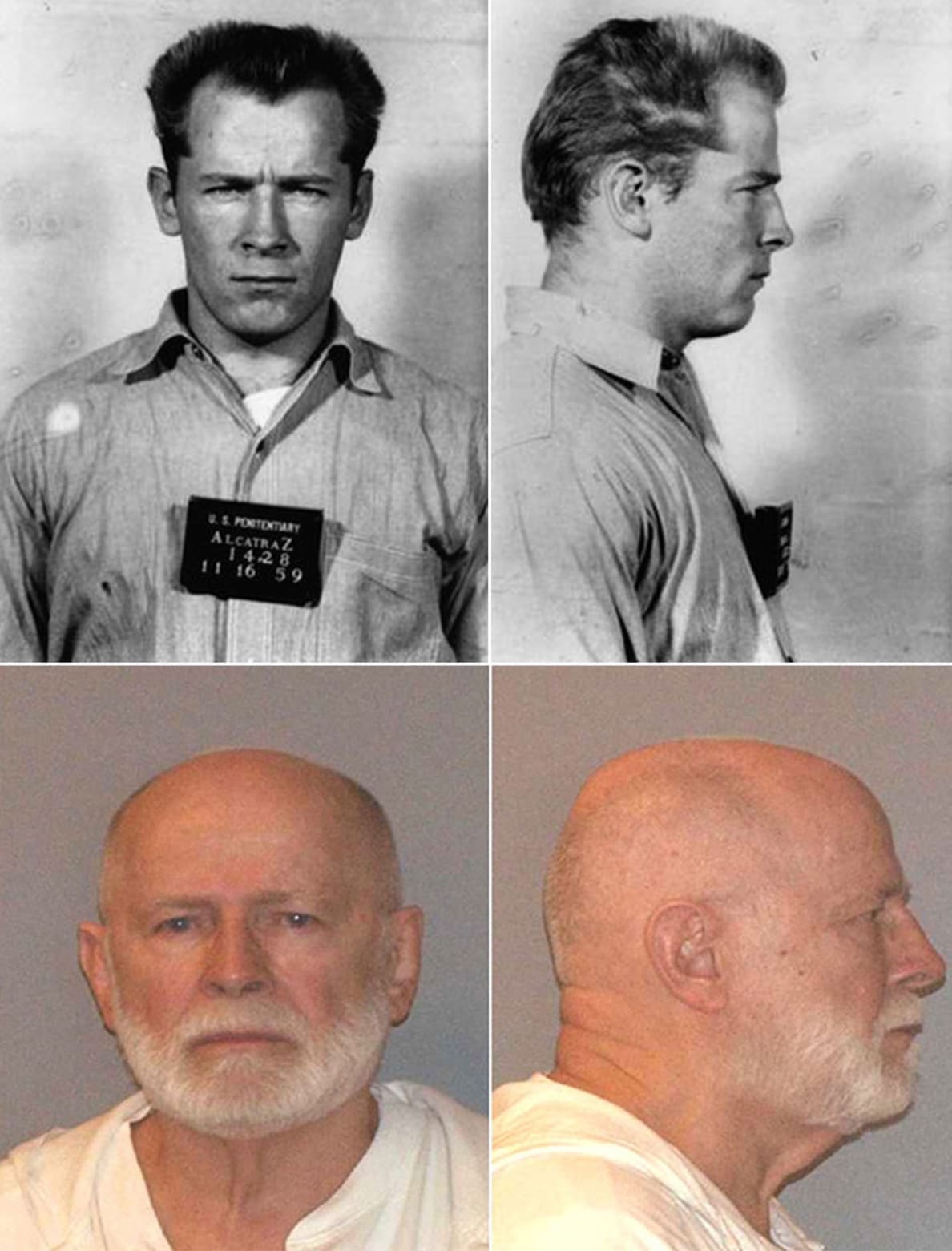
Top: James ‘Whitey’ Bulger Jr. poses for a mugshot on his arrival at the Federal Penitentiary at Alcatraz on Nov. 16, 1959, in San Francisco.
Bottom: James ‘Whitey’ Bulger mugshot in 2011.
Bulger, who was on the run for 16 years before being nabbed in Santa Monica in 2011, was killed in his prison cell last October while serving a pair of life sentences for some 19 murders. His attorneys have said he was ready to negotiate giving up some information about the paintings in exchange for safer prison digs just weeks before he was murdered. He was already an FBI informant on certain matters, but not on the Gardner art, which calls into question whether he was really involved.


Some of the stolen works of art from the Isabella Stewart Gardner Museum in the March 18, 1990, heist.
Charles Hill, a former Scotland Yard detective who is now a private investigator, believes that Whitey was an IRA sympathizer. He told the Guardian that the gangster “loved to associate himself with the cause, and was involved in arms deals and drugs shipments to the republic.”
Brand, one of the most successful private bounty hunters of lost art, has previously admitted to The Daily Beast that he has a history of making deals with the devil, forging ties with raiders and thieves, penetrating their networks to negotiate the circumstances to bring the stolen treasures home without incriminating the thieves. He recently returned a $28 million Picasso stolen from a private luxury yacht 20 years ago by infiltrating the network that was hiding it. He has had similar success recovering two bronze horses stolen for Adolf Hitler by his Nazi goons to be placed at the threshold of the New Reich Chancellery in Berlin, and a string of other Nazi-era stolen art, all earning him the nickname “Indiana Jones of the art world.”


FBI posters displaying works by artists Johannes Vermeer and Edgar Degas are seen during a press conference held to appeal to the public for help in returning artwork stolen in 1990 from the Isabella Stewart Gardner Museum in Boston.
He does not believe that Bulger has anything to do with the theft or a transfer of the art overseas. “At the time of the theft, the IRA was running guns from Boston without Bulger’s knowledge,” Brand says. “Those paintings were tucked into one of the vessels and they are still in Ireland today.”
Amore disagrees, insisting that, whether Bulger was involved or not, the art is still in the U.S. He says Americans are “consumers of stolen art, not exporters of it.”


Brand’s methods—successful as they may be—are not always agreeable to the rightful owners of the art in question. Amore, who has dedicated his career to the return of the Isabella Gardner art, says he doesn’t do deals with thieves, even if it might mean the safe return of the treasures. “Art hunters like Arthur Brand often negotiate with the smugglers and thieves, but is that something you can condone?” he asks. “Anybody that can help us get our art back and acts ethically to do so is welcome, but the idea of paying thieves art is unethical.”
He questions Brand’s proclamation that he has talked to anyone who still has ties to the IRA. “Thieves, or anybody holding the stolen Gardner art, can go through an attorney to get the reward,” he says. “I don’t begrudge Arthur, he has the right to search for it. But there is no reason to reach out to someone in the Netherlands that people holding our art wouldn’t even know.”


Some of the stolen works of art from the Isabella Stewart Gardner Museum in the March 18, 1990, heist.
Amore believes that the time has come, now nearly 30 years later, for whoever is holding the art to come clean. “Many old cases are solved when someone has the confidence to come forward, isn’t afraid anymore,” he told The Daily Beast. “What happens typically with masterpieces is that they are recovered right away or a long time after, and we have now reached the time when those involved in the actual theft are dead.”
Amore believes that time is on his side and that the art will eventually be recovered when whoever is holding it is ready to give it up. Thirty years is a long time to keep such precious art, and he says he believes the time will soon come when they want to get rid of it. He is not convinced it will be discovered any other way after so long.

“When you are looking for something that is missing for a long time, but an inanimate object, you don’t have the same things on your side as you do when you are looking for a person,” Amore says. “A person has to go out of the house, a painting just sits until it is found.”

Sunday, June 02, 2019

Stolen Art Watch Gardner Art Heist June 2019


Head of the FBI’s Art Theft Squad Not Sure if Stolen Gardner Museum Pieces Are Still in U.S.

Almost three decades after thieves stole a half-billion dollars’ worth of art from the Isabella Stewart Gardner Museum in Boston, the head of the FBI’s art theft squad says he’s not sure all of the 13 pieces remain in the United States.
Over the years, FBI agents have travelled to six continents in search of the missing art, which include works by Rembrandt, Vermeer, Degas and Manet. The FBI recently conducted x-rays of a home in a western American state where a tipster suggested the art was hidden; there have been a number of highly-publicized searches and digs. All to no avail.
Special Agent Tim Carpenter could not say for sure whether the stolen masterpieces are still somewhere in the United States.
“Perhaps,” Carpenter said during an interview with the Law&Crime Network. “Only perhaps?” he was asked. “Perhaps,” he answered.
Despite this, Carpenter rejected suggestions that the FBI’s investigation of the 1990 theft had gone cold or had been a failure.
“Certainly not, no certainly not,” he said.
Carpenter said finding the stolen Gardner art remains his number one priority as the agent in charge of the 20-person FBI art theft squad. “I don’t think it’s a cold case because we do get a fair amount of information on that case,” he said.
In 2013, the FBI and the U.S. Attorney in Boston claimed they had determined who stole the art and had a good idea of where it was hidden. But since then, despite a $10 million reward offered by the museum, there have been no arrests and none of the art has been recovered.
“We have had successes, lots of successes, historically with rewards, but it hasn’t really seemed to nudge it loose on this case. So I’m not quite sure what it’s going to take,” Carpenter told the Law&Crime Network.
Whoever stole the art in the brazen break-in on St. Patrick’s Day night in 1990 would no longer face prosecution given the statute of limitations. And federal prosecutors have publicly said they would offer immunity to anyone who would come forward with the stolen pieces now.
“We’re very interested in the safe recovery and the full recovery of all of that artwork,” Carpenter said.
To date, the only physical evidence the FBI has acknowledged recovering are a handful of paint chips that the FBI has said are consistent with a “red lake” paint known to have been used by the Dutch artist Vermeer. His painting, The Concert, is considered the most valuable of the paintings stolen from the Gardner, although there is no direct link between the chips and that particular work.
The chips were sent anonymously to a reporter for the Boston Herald in 1997.
Carpenter says he is holding out hope that the case can be solved before the 30th anniversary of the theft, which would be March 2020.
“I’d like to say that if we could solve that case, I might just up and retire. That might be my swan song,” he said.
Ariel Tu and Nick Lindseth contributed to this report.
https://lawandcrime.com/ross-investigates/head-of-the-fbis-art-theft-squad-not-sure-if-stolen-gardner-museum-pieces-are-still-in-u-s/

A print of the Rembrandt van Rijn, “The Storm on the Sea of Galilee” from about 1633, oil on canvas painting that is among the missing from the March, 1990 Gardner Museum break in. Courtesy of the Dept. of Justice

FBI art heist agent says missing Gardner works may not be in U.S.

The head of the FBI’s art crime squad said he’s not sure if all 13 pieces stolen from the Isabella Stewart Gardner Museum on the Fenway are in the United States.
FBI Special Agent Tim Carpenter, who heads the bureau’s Art Crime Team, told legal news website Law & Crime the stolen artworks could “perhaps” be in the U.S. or abroad.

It was 29 years ago, in March 1990 in the early morning after St. Patrick’s Day, that two thieves posing as Boston police officers talked their way into the museum, tied up two security guards, and vanished with 13 centuries-old masterpieces worth more than $500 million. Stolen artworks include Rembrandt’s “Christ in the Storm on the Sea of Galilee” and Vermeer’s “The Concert.”

“We get a fair amount of information on that case; we still address a lot of leads on that investigation,” Carpenter said. “It’s not that uncommon … especially high-end, when we are talking really valuable, really well-known pieces that were disappearing, going to ground for decades before they resurface. We hold out hope that we will locate those pieces.”
“We would really like to get those paintings recovered,” Carpenter added. “We are very interested in the safe and full recovery of all of that artwork.”

In 2013, the FBI and Carmen Ortiz, the former Obama-appointed U.S. Attorney for Massachusetts, announced they knew the identities of the two men who took the art. Since then, the museum has doubled its reward to $10 million in 2017 for the paintings’ safe return. But the FBI has not made any arrests and none of the 13 artworks have been recovered.
“As we have said in the past, the U.S. Attorney’s office will consider the possibility of immunity from criminal prosecution for information that leads to the return of the paintings based on the set of facts and circumstances brought to our attention. Our primary goal is, and always has been, to have the paintings returned,” Ortiz said in 2013.

Carpenter said: “We have had successes, lots of successes, historically with rewards, but it hasn’t nudged it loose on this case. So I’m not quite sure what it’s going to take.”
Next year will mark the 30th anniversary of the art heist. “I’d like to say if we could solve that case, I might just up and retire. That might be my swan song,” said Carpenter.
Carpenter’s team was also behind the successful recovery of Tom Brady’s missing jersey from Super Bowl LI in 2017 — found in the possession of a former Mexican newspaper editor who had media credentials for the game.
“It’s not historical and yet it has this huge cultural value for people,” Carpenter said of finding Brady’s jersey. “It’s not about intrinsic, monetary or market value of a piece.”

Why is FBI Still in the Dark 29 Years After the Biggest Art Heist in US History?

Two men posing as police officers tricked their way into the Isabella Stewart Gardner Museum in Boston on the night of 18 March 1990. They stole 13 pieces of work worth US$500 million, none of which has ever been recovered.
In 2013 the FBI held a high profile press conference and said they had made a huge breakthrough in the search for the paintings which had been stolen in what had become known as the Gardner Heist.
Richard DesLauriers, special agent in charge of the FBI's Boston office, said: "The FBI believes it has determined where the stolen art was transported in the years after the theft and that it knows the identity of the thieves.
DesLauriers added: "The FBI believes with a high degree of confidence that in the years after the theft, the art was transported to Connecticut and the Philadelphia region, and some of the art was taken to Philadelphia, where it was offered for sale by those responsible for the theft. With that same confidence, we have identified the thieves, who are members of a criminal organization with a base in the Mid-Atlantic states and New England."
That was six years ago. Since then the trail has gone cold again and the makers of a well-researched podcast, Last Seen, have cast doubt on the veracity of the information on which the FBI based their announcement.
Isabella Stuart Gardner Museum
So are we any closer to finding out what happened that night and who took the artworks?
At 1.24am two men in police uniforms pressed the buzzer at the Isabella Stewart Gardner Museum in Boston and claimed they were investigating reports of a disturbance.
They were let in by dopey security guard Rick Abath, who was overpowered and handcuffed, along with another guard.
The two robbers took their time and picked out 13 masterpieces from renowned artists such as Vermeer, Rembrandt, Manet and Degas as well as a Chinese vase, known as a gu, dating from the Ming dynasty.
The two most valuable pieces were The Concert, by Vermeer, and Christ in a Storm on the Sea of Galilee, the only seascape Rembrandt ever painted.
​Last year the Boston Globe newspaper and Massachusetts radio station WBUR teamed up to produce a ten-part podcast investigation, Last Seen, which examined virtually all the various theories and probes which had been carried out into the Gardner Heist.
It also examined whether Abath was the "inside man" or just a part-time musician who happened to be on shift in a museum where security had become lax over the years.
Among the suspects identified in Last Seen were conman Brian McDevitt, professional criminals George Reissfelder and David Turner and Carmello Merlino.
Reissfelder's brother later told investigators he had seen a painting he later identified as being Chez Tortoni by Manet in Reissfelder's apartment.
Merlino ran TRC Autoelectric, a car repair workshop in the Dorchester district of Boston which became a hub of criminal activity, including cocaine smuggling and armed car robberies.
Merlino, who died in 2005, repeatedly indicated to FBI informants he knew what happened to the paintings or could get his hands on them but went to his grave taking whatever secrets he had with him.
​The FBI's most recent investigation — which sparked the 2013 press conference excitement — centred on Bobby Guarente and an associate, Bobby Gentile.
Guarente died in 2004 but Gentile, 79, is still being hounded by the FBI, most recently when he was arrested during a sting operation in 2015.
Gentile's lawyer, Ryan McGuigan, told Last Seen his client was completely innocent and knew nothing about the Gardner Heist or the paintings and said if he did know anything he would have told the FBI to get them off his back.
​Kelly Horan, the co-host of Last Seen, said there was one theory she would like to have explored — the suggestion that infamous Boston gangster Whitey Bulger stole the art and later gave it to the Provisional IRA.
Charles Hill, a former detective with Scotland Yard, told The Guardian last year: "After a shipment of weapons and ammunition was intercepted by the Irish navy off the coast of County Kerry in 1984, Whitey felt he owed one to his friends in the Republic. I believe he offered them the paintings."
Bulger, 89, was beaten to death by a fellow inmate only 24 hours after arriving at a prison in West Virginia in October last year.

Monday, March 18, 2019

Stolen Art Watch, Gardner Art Heist 29 Years, As Bobby "The Cook" Gentile Survives The Clenched Fist Of The FBI, For Now !!


Man linked to largest art heist in history freed from prison

HARTFORD, Conn. (AP) — A reputed Connecticut mobster who federal authorities believe is the last surviving person of interest in the largest art heist in history criticized government officials Monday as he adjusted to being back home after finishing a four-year prison sentence for weapons crimes.

Robert Gentile, 82, also maintained he knows nothing about the unsolved theft of $500 million worth of art from the Isabella Stewart Gardner Museum in Boston in 1990. He was released from federal custody in the unrelated weapons case Friday.
"I had nothing to do with the paintings. It's a big joke," Gentile said in a phone interview from his Manchester home.

He also blamed federal prison officials for worsening health problems that have left him unable to get around except in a wheelchair, and he criticized law enforcement officials for seizing his money and damaging his home during a raid in the weapons case.
"I'm all crippled up. They had me in a bed for a year chained up," he said. "I should have never been in jail. It's a joke."


Officials with the Federal Bureau of Prisons said they were reviewing Gentile's comments but had no immediate response Monday. An FBI spokesman in New Haven declined to comment.
Update:
Federal prison officials say there is no evidence to support mistreatment allegations made by a reputed Connecticut mobster who authorities believe is the last surviving person of interest in the largest art heist in history.
The federal Bureau of Prisons said in a statement Monday that it could find no support for the allegations.

"Mr. Gentile went to prison, he's been released, the investigation goes on. We're not sitting around hoping he tells us what he may or may not know." Anthony Amore Director of Security Gardner Museum

The art heist took place March 18, 1990, when two men masquerading as Boston police officers got into the museum by telling a security guard they were responding to a report of a disturbance, according to authorities. The guard and a co-worker were handcuffed and locked in the basement while the thieves made off with the art.

The missing pieces include Rembrandt's only known seascape, "Christ in the Storm on the Sea of Galilee," and Vermeer's "The Concert," one of fewer than 40 known paintings by the 17th-century Dutch painter.

The FBI told The Associated Press in 2015 that two suspects — both Boston criminals with ties to organized crime — were deceased.
Investigators believe the paintings moved through mob circles to Connecticut and Philadelphia, where the trail went cold, officials have said.
Prosecutors have said another gangster's widow claimed her husband gave Gentile two of the paintings. Authorities also have said that Gentile talked about the stolen paintings with fellow prisoners and once told an undercover FBI agent he had access to two of the paintings and could negotiate the sale of each for $500,000.

But Gentile, who will be on federally supervised release for the next three years, has publicly insisted he knows nothing about the theft or where the paintings are.

Federal agents have searched Gentile's home three times, including with ground-penetrating radar, in what Gentile's lawyer, A. Ryan McGuigan, believes were efforts to find the paintings and other evidence about the heist.

The weapons charges were filed after authorities found several firearms at Gentile's home in 2016, which he was prohibited from possessing as a previously convicted felon.
Gentile was sentenced to more than two years in prison in 2013 for illegally selling prescription drugs and possessing guns, silencers and ammunition. In that case, prosecutors said federal agents found in Gentile's home a handwritten list of the stolen paintings and their estimated worth, along with a newspaper article about the museum heist a day after it happened.

Saturday, March 16, 2019

Stolen Art Watch, Gardner Art Heist 2019, Anthony Amore Seeking Inspiration

An office focused on what’s missing


Since Anthony Amore took over as the Gardner’s security director in 2005, he has worked tirelessly to recover the masterworks. A name plate and hardware from the frame that held Manet’s “Chez Tortoni,” and a drawing by one of his daughters helped define Amore’s quest. (Photos by Suzanne Kreiter/Globe staff)
Suzanne Kreiter/Globe Staff
Since Anthony Amore took over as the Gardner’s security director in 2005, he has worked tirelessly to recover the masterworks.

Images of some of the world’s most coveted masterpieces by Rembrandt and Vermeer adorn the walls of a cramped office in Boston’s Fenway. A name plate from the frame that held Manet’s “Chez Tortoni” is propped above a keyboard on the desk.
They are a source of inspiration and heartache for Anthony Amore, security director of the Isabella Stewart Gardner Museum. He has spent countless hours in this small room on the fourth floor of the historic palace, searching for clues in an agonizing quest to recover treasures stolen years before he was hired to protect the collection.

“When you are looking for something for a long time and it seems like an impossible task, you need inspiration,” says 52-year-old Amore, whose office is filled with reminders of the $500 million worth of artwork stolen 29 years ago.

Boston, MA., 02/19/2019, Anthony Amore is the security director of the Isabella Stewart Gardner Museum in his office, which reflects his all-consuming quest to recover the masterpieces stolen decades ago. His office has reporductions of the the lost artwork, including a photograph of the painting The Storm on the Sea of Galilee by Rembrandt. Globe staff/Suzanne Kreiter
Suzanne Kreiter/Globe Staff
Boston, MA., 02/19/2019, Anthony Amore is the security director of the Isabella Stewart Gardner Museum in his office, which reflects his all-consuming quest to recover the masterpieces stolen decades ago. His office has reporductions of the the lost artwork, including a photograph of the painting The Storm on the Sea of Galilee by Rembrandt. Globe staff/Suzanne Kreiter
A high-resolution color photograph of Rembrandt’s “The Storm on the Sea of Galilee” mounted on foam board hangs over Amore’s desk. At 4 feet by 3 feet, it dominates the room, but is considerably smaller than the original 5-foot-by-4-foot seascape that was pulled from its frame by the thieves.
The office walls are covered with smaller images of some of the missing art. Brackets that once held the stolen “Chez Tortoni” in its frame are now in a plastic bag on Amore’s desk.

Boston, MA., 02/19/2019, Anthony Amore is the security director of the Isabella Stewart Gardner Museum in his office, which reflects his all-consuming quest to recover the masterpieces stolen decades ago. He has a plastic bag on his desk which holds the hardware that held the painting Chez Tortoni by Manet to the wall. Globe staff/Suzanne Kreiter
Suzanne Kreiter/Globe Staff
The hardware that held the painting “Chez Tortoni” by Manet to the wall.
Two thieves dressed as police officers were buzzed into the museum in the early morning hours of March 18, 1990, and tied up two guards on duty. In addition to Rembrandt and Vermeer paintings, they got away with works by Manet, Flinck, and Degas, as well as a bronze eagle finial from atop a Napoleonic flag and a Chinese beaker, or “Ku.”
The window in Amore’s office overlooks Palace Road, where the thieves parked and were let in at the museum’s side door.

Boston, MA., 02/19/2019, Anthony Amore is the security director of the Isabella Stewart Gardner Museum in his office, which reflects his all-consuming quest to recover the masterpieces stolen decades ago. From his office window he can see where the theives parked their car the night of the heist. Globe staff/Suzanne Kreiter
Suzanne Kreiter/Globe Staff
From his office window, Anthony Amore can see where the theives parked their car the night of the heist.
Scratches made by the culprits are still visible on a square metal plate resting on a file cabinet in Amore’s office. The stolen Ku had been mounted on the plate.
Advertisement
None of the artwork has been recovered, despite a $10 million reward offered by the museum and promises of immunity for those who have the stolen treasures.
There also are items in Amore’s office that reflect his other passions: family, politics, history, and literature. The Swampscott Republican — who made an unsuccessful run last year for secretary of state — has a framed photograph on the wall of father and son former presidents, George H. W. Bush and George W. Bush.
There is also a postcard depicting Paul Revere, and a copy of President George Washington’s farewell address, which Amore explains by noting, “I’m an aficionado of the American Revolution. That’s my thing.”
Photographs of his two daughters, Alessandra and Gabriela, and some of their school artwork are also on display. A collection of books — including some written by Amore — fill a book case. Many are about art and, of course, art theft.
Amore says his office captures his interests, but “more than anything you can see the amount of stuff related to the theft is overwhelming. And that’s really what the theft is: overwhelming.”

Boston, MA., 02/19/2019, Anthony Amore is the security director of the Isabella Stewart Gardner Museum in his office, which reflects his all-consuming quest to recover the masterpieces stolen decades ago. In his office is his daughter's sketch of a detective with a magnifying glass hunting for the art. Globe staff/Suzanne Kreiter
Suzanne Kreiter/Globe Staff
In Anthony Amore’s office is his daughter's sketch of a detective with a magnifying glass hunting for the stolen art.
Even his daughter Gabriela’s sketch, drawn in 2008 when she was 11, focuses on her father’s unrelenting search. It depicts a girl with a pony tail, standing in front of an empty frame and peering into a magnifying glass. She’s saying, “Now I will help my dad find stolen paintings from the Isabella Stewart Gardner Museum and sleep in my dads office for the night.”
‘When you are looking for something for a long time and it seems like an impossible task, you need inspiration.’
Amore says he never let anyone sleep in his office, but he has solicited all the help he can get in his effort to recover the artwork.
Since Amore took over as security director at the museum in 2005, he has worked tirelessly alongside FBI agents and federal prosecutors to recover the masterworks. He’s created a massive database with details of every tip chased over the last 29 years.
Three file cabinets in his office are jammed with folders labeled with names of suspects and “people of interest,” an assortment of gangsters, petty criminals, and art thieves.
In 2012, the museum opened a new wing and Amore was moved to a spacious, modern office there. But, the original building, built by Mrs. Gardner and opened to the public in 1903 drew him back.
He said he feels more comfortable in the 6-foot-by-15-foot office, even though it’s often hot and gets noisy when air blows through a ceiling vent. It’s located above the galleries that he’s charged with protecting.
“The collection is here,” Amore says of his location. “Two floors below me is the empty ‘Storm on the Sea of Galilee’ frame. This is where I should be.”
His office is on the same floor where Gardner lived until her death in 1924. Her living quarters were converted to office space, for use by the museum’s director, in the late 1980s. Amore’s office was previously a maid’s bedroom.

Boston, MA., 02/19/2019, Anthony Amore is the security director of the Isabella Stewart Gardner Museum in his office, which reflects his all-consuming quest to recover the masterpieces stolen decades ago. This is the framed photos of Isabella & Jack Gardner. Globe staff/Suzanne Kreiter
Suzanne Kreiter/Globe Staff
A framed photos of Isabella and Jack Gardner in Anthony Amore’s office.
Amore keeps a photo of Gardner and her husband, Jack, who died before the museum was opened, framed on his office wall. It’s the first thing he sees when he opens the door — another source of inspiration to keep pushing to reclaim the art that belongs in the museum she left in her will “for the education and enjoyment of the public forever.”
In 1942, 95 paintings and nine stained glass works — including works by Titian, Rembrandt, Cranach, Zorn, Vermeer, and Whistler — were removed from the Gardner museum and sent by armored truck to an estate in Center Harbor, N.H., for safekeeping during World War II, according to the museum archives.
The museum’s photographer, Joseph Brenton Pratt, took photographs of the paintings, which were hung in their place until the originals were returned in 1944.
Today, a copy of Pratt’s black and white photograph of Vermeer’s “The Concert” is framed and mounted on Amore’s office wall. Amore says it was a gift from the late photographer’s son, Christopher, providing added inspiration to fuel his hunt for the stolen original.
The investigation is daunting, but Amore says he remains hopeful that one day the stolen masterpieces will be back on the museum’s walls. He says a veteran State Police detective speculated the key to the mystery is in the old files.
Amore points to his cabinet stuffed with folders and says, “So the answer is in here.”

Boston, MA., 02/19/2019, Anthony Amore is the security director of the Isabella Stewart Gardner Museum in his office, which reflects his all-consuming quest to recover the masterpieces stolen decades ago, including at left, Chez Tortoni by Édouard Manet. Globe staff/Suzanne Kreiter
Suzanne Kreiter/Globe Staff
Anthony Amore, in his office at the Isabella Stewart Gardner Museum. To his left is “Chez Tortoni” by Édouard Manet.
Shelley Murphy can be reached at shmurphy@globe.com. Follow her on Twitter @shelleymurph.

Friday, February 01, 2019

Stolen Art Watch, Empty Frames Season Two Finale


New episode! In our season 2 finale we chat with our pal the Muddy River Fact Checker and get into some Gardner Heist Minutia. Subscribe now at !

Vermeer's The Concert

Vermeer's The Concert